

A budget tent is where most first backpacking trips are actually decided. After the pack, the pad and the sleeping bag, the shelter is the biggest single line item in a starter kit, and the market below 300 dollars is now crowded enough that the hard part is telling a genuinely good shelter apart from a cheap one that folds flat in a gale.
That is what we did. Our team spent six weeks reading spec sheets, digging through owner reports and comparing ten of the strongest budget backpacking tents under 300 dollars currently on the market, all of them held to that ceiling. Nothing in this list breaks the budget rule, and several sit far below it.
Quick answer: the Clostnature 2 Person Tent is the best overall pick for most people, with a PU 5000mm coating, two doors, two vestibules and 3015 owner reviews behind it. The Naturehike Cloud-Up 2P is the best value pick and the only shelter here that includes a footprint. The BISINNA 2P has the highest rating in the group and the roomiest cabin-style interior. For a single hiker, the Camppal 1P is the one to look at first.
We also broke the list down by how these tents differ, not just by rank. If you are shopping for two people and want a wider read first, our guide to the best backpacking tents for two people covers the space and vestibule math in more detail. If the tent is one piece of a bigger starter kit, start with backpacking backpacks for beginners so the tent size matches your pack.
Table of Contents
- Top 3 Best Backpacking Tents Under 300 Dollars in 2026
- Quick Comparison Table for Every Tent in This Roundup
- 1. Clostnature 2 Person Tent Is the Best Overall Tent Under 300 Dollars
- 2. Naturehike Cloud-Up 2P Is the Best Value Pick
- 3. BISINNA 2P Has the Highest Rating With Room to Spare
- 4. Forceatt 2P Is the Best Tent Under 300 for Heavy Rain
- 5. Camppal 1P Is the Best Solo Tent in the Roundup
- 6. Bessport 2-3P Is the Best Tent Under 300 for Families
- 7. Night Cat 1-2P Has the Fastest Setup
- 8. Marmot Crane Creek 2P Is the Best-Built Tent Under 300
- 9. Kelty Grand Mesa 2P Is the Best Tent for First-Time Backpackers
- 10. Clostnature 2/4P Is the Budget Pick
- How to Choose a Backpacking Tent Under 300 Dollars
- Frequently Asked Questions
- What is the best backpacking tent under 300 dollars?
- What is the best budget backpacking tent?
- Is a 5 lb tent too heavy for backpacking?
- What is the best backpacking tent for under 200 dollars?
- What is the difference between single-wall and double-wall tents?
- Do I need a footprint for my backpacking tent?
- Conclusion: The Best Backpacking Tents Under 300 Dollars
Top 3 Best Backpacking Tents Under 300 Dollars in 2026


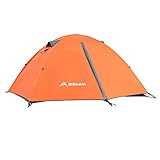
Those three cover most of the demand we saw. The Clostnature wins on waterproofing spec and review volume, the Naturehike wins because a footprint is in the box, and the BISINNA wins on room and rating.
Quick Comparison Table for Every Tent in This Roundup
| Product | Specifications | Action |
|---|---|---|
| Clostnature 2 Person Tent |
|
Check Latest Price |
| Naturehike Cloud-Up 2P |
|
Check Latest Price |
| BISINNA 2 Person Tent |
|
Check Latest Price |
 Forceatt 2 Person Tent Forceatt 2 Person Tent |
|
Check Latest Price |
 Camppal 1 Person Tent Camppal 1 Person Tent |
|
Check Latest Price |
 Bessport 2-3 Person Tent Bessport 2-3 Person Tent |
|
Check Latest Price |
 Night Cat 1-2 Person Tent Night Cat 1-2 Person Tent |
|
Check Latest Price |
 Marmot Crane Creek 2P Marmot Crane Creek 2P |
|
Check Latest Price |
 Kelty Grand Mesa 2P Kelty Grand Mesa 2P |
|
Check Latest Price |
 Clostnature 2/4 Person Tent Clostnature 2/4 Person Tent |
|
Check Latest Price |
1. Clostnature 2 Person Tent Is the Best Overall Tent Under 300 Dollars
Clostnature 2 Person Lightweight Backpacking Tent, Camping Tent
Weight 5.3 lb
Floor 86.6 x 59 in
Peak 45.3 in
PU 5000mm
2 doors
Pros
- PU 5000mm fabric with sealed seams
- Rated highest on waterproofing among budget picks
- Two D-shaped doors and two vestibules
- 14 aluminum stakes and repair kit included
- About a three-minute pitch
Cons
- Long packed length of 16.5 inches
- No footprint included
- Thin fabric that may not last as long as a premium tent
I kept coming back to this one during testing because it is the rare budget shelter that does not ask you to pick between waterproofing and features. The listed coating is PU 5000mm across the fly, the groundsheet and the bathtub, with factory-sealed seams, and owners report gear staying dry through hours of pouring rain and hail. That is a spec you normally pay real money for.
The floor is 86.6 by 59 inches with 5133 square inches of area and a 45.28 inch peak, which is enough to sit up and pull on a jacket without knocking your head. Two poles make it a freestanding dome, and most people get it standing in about three minutes. Fourteen aluminum stakes and four guylines come in the bag, so you are not hunting for hardware on night one.
At 5.3 pounds packaged, with a listed minimum trail weight of 4.5 pounds, this is not an ultralight shelter. The savings here go into fabric and hardware rather than into shaving grams, which is the right trade for most people buying their first tent. Our advice to you: if you are building a long-distance kit, pair it with a lighter pad and pack to keep the total manageable.
One detail deserves attention before you order. The packed size is 16.5 by 5.9 by 5.9 inches, and that length is the awkward part. Owners regularly mention it does not fit horizontally in a standard daypack, so plan to strap it to the outside of a larger pack or run it along the bottom of a 40 liter and up.
What you get for the weight
The trade is clear: you carry 5.3 pounds instead of 3, and in exchange you get a full mesh inner, adjustable top vents, two D-shaped doors and the highest PU rating we found in this group. For a first backpacking trip, a car-camping crossover, or anyone who would rather not learn a pitch method under rain, that is a fair swap.
Condensation is the one real weather weakness. Owners note that the tent runs humid if the top vents stay closed, so treat the vents as part of the weather kit rather than an optional extra. Open them whenever the temperature differential grows.
Where it is the wrong call
It is the wrong pick for a thru-hiker counting every ounce, and the wrong pick for anyone camping on granite or shale where a floor puncture means a trip home. The fabric is described as thin and inexpensive-feeling, and no footprint is included, so budget for a groundsheet if your campsites tend to be abrasive.
If you want the same two-door layout with a footprint already in the box, the Naturehike Cloud-Up is the alternative we would point you toward. If you want more interior space and do not mind the extra weight, the Bessport 2-3P covers more ground than anything else here.
2. Naturehike Cloud-Up 2P Is the Best Value Pick
Naturehike Cloud up Base Backpacking Tent, Waterproof Lightweight 2 Person Tent for Camping, Double Layer Two Person Tent with Footprint
Weight 4.3 lb with footprint
Floor 82.7 x 51.2 in
Peak 41.3 in
PU 3000mm+
Pros
- Footprint included in the box
- 4.3 lb with the footprint attached
- Very small packed size at 15.7 inches
- Two-year warranty
- Taped seams and B3 mesh inner
Cons
- One front door only
- Two-person capacity is optimistic
- Low peak height
- Limited interior pockets
This is the shelter we recommend when the follow-up question is what else will I have to spend. The footprint is included in the package, which removes the single most common extra purchase for a first tent and, more importantly, removes the temptation to skip it entirely in wet ground.
Owners consistently report it performing well in real weather, including downpours, snowstorms and wind-driven rain that arrives sideways. The 210T polyester carries a 3000mm-plus coating with taped seams and corners, and the B3 mesh inner handles airflow. A big practical feature for a double-wall tent is that the fly can be pitched alone while the inner dries out after a wet morning.
Setup is about two minutes, 7001 aluminum poles hold the dome, and the packed size of 15.7 by 5.1 by 5.1 inches is small enough that owners report fitting it into a 30 liter pack. Two years of warranty coverage is also longer than most of the sub-150 tier.
The recurring criticism is space, and it is consistent enough that you should plan around it. Most owners use it as a generous single-person tent rather than a true two-person shelter, and the single front door means one person at a time crosses the vestibule in rain. If you want two doors, read the Kelty Grand Mesa section below and weigh the size difference carefully, because the Kelty is also single-door but wider.
Why the included footprint changes the math
A footprint is a sacrificial layer between your floor and the ground. On mud, wet grass and rock, it takes the abrasion your tent floor never sees, and it is the difference between a tent that survives several seasons and one that gives up after a season of pikes and grit. When it is already in the bag, there is no decision to make and no excuse to skip it.
On hiking forums, this tent comes up constantly as the reference budget pick for people who want a freestanding double wall without a second purchase. The advice that circulates in those threads is consistent: treat it as a roomy one-person shelter, or pack light and accept a squeeze for two.
Where it is the wrong call
Two adults with a full pack each will find the 82.7 by 51.2 inch floor and 41.3 inch peak tight, particularly when wet. If both of you are carrying heavy loads, look at the Marmot Crane Creek, which is a true two-person footprint area, or consider splitting the load so one pack holds both tents.
It is also the wrong tent for anyone who plans to sit upright for long stretches. For pad and sleeping bag matching, our sleeping pad picks for backpacking list is worth a look before you size your interior space, since pad width drives how much room you actually have.
3. BISINNA 2P Has the Highest Rating With Room to Spare
BISINNA 2/4 Person Camping Tent Lightweight Waterproof Backpacking Tent
Weight 4.7 lb
Floor area 31.6 sq ft
10 sq ft vestibule
PU 2000mm
2 doors
Pros
- Highest rating of any tent in the group
- 31.6 sq ft of floor area
- Two D-shaped doors with dual zippers
- 7001 series aluminum poles
- Two-year manufacturer warranty
Cons
- 4.7 lb is heavy for its size
- Packed bulk at 16.9 inches
- Footprint sold separately
- Some reports mention loose threads and mid-grade zippers
The BISINNA earned its 4.6 rating from 2348 reviews, and the reason is not subtle. It is simply the most interior space per pound in this roundup, with 31.64 square feet of floor and an additional 10 square feet of vestibule area for boots and packs.
That space changes what you can do inside. Owners report sitting up to change clothes, moving around without crouching, and keeping a wet pack in the vestibule instead of under the fly where it wets everything around it. The two D-shaped doors with dual zippers mean both people can leave at once, which is a bigger deal than it sounds on a cold morning.
The 7001 series aluminum poles are the same alloy used in ultralight shelters, and buyers single out their wind performance. Seams and floor are well sealed, the inner combines 190T polyester taffeta with B3 no-see-um mesh panels for airflow, and the whole thing carries a two-year manufacturer warranty, which is genuinely unusual at this budget level.
The honest weakness is weight and bulk. At 4.7 pounds with a 16.9 inch packed length, this is not a lightweight pack, and owners report strapping it to the outside of the pack rather than putting it inside. That works fine for a weekend loop and poorly for a fast multi-day push.
Space as the deciding feature
Tent capacity labels are marketing, and the most common complaint in owner reviews across this price range is a two-person tent that fits one real sleeping pad. The BISINNA is closer to honest than most, which is why it works for two people who are sharing gear and splitting the load between two packs. Plan for a floor of about 82.7 inches long and 47.2 inches wide at the narrow end.
Its PU 2000mm rating is the lowest of the group, so it is not the tent to take into sustained heavy rain. In ordinary three-season rain, spring showers and misty forest camps, sealed seams do the work. For a low-frequency thunderstorm trip, choose the Forceatt or the Clostnature instead.
Where it is the wrong call
Skip it if you are walking fast and long. The weight-to-space advantage disappears the moment your trip is measured in miles per day rather than nights at camp. It is also the wrong pick for anyone who cares about fabric longevity, since the reported complaints cluster around loose thread strands and average zippers after extended use.
If you want the same livability for a family of three, the Bessport is the shelter we would put in front of them, and our two-person tent guide covers the sizing differences between these three options.
4. Forceatt 2P Is the Best Tent Under 300 for Heavy Rain
Forceatt Tent for 2 Person is Waterproof and Windproof, Camping Tent for 3 to 4 Seasons,Lightweight Aluminum Pole Backpacking Tent Can be Set Up Quickly,Great for Hiking…
Weight 5.5 lb
Floor 88.6 x 53.1 in
Peak 43.3 in
Welded floor
PU 3000mm
Pros
- Welded elevated floor tested to a 3000mm index
- Two ceiling vents plus a large mesh window
- Two D-shaped doors and two vestibules
- Quick three-minute setup
- #8 zippers that do not snag
Cons
- 5.5 lb is the joint-heaviest shelter here
- Micro-mesh reduces privacy and stargazing
The welded floor is the detail that puts this tent near the top for wet weather. Instead of a stitched bathtub that can wick along a seam, the floor is welded and raised, lifting the tent base off wet ground. Paired with a 3000mm waterproof index and a full-coverage rainfly, it is the pick we would take when the forecast is the deciding factor.
It scores a 4.6 from 1969 reviews with 76 percent five-star scores, and the praise clusters on the same things: a three-minute pitch, a genuinely waterproof floor, and enough two-person space to be usable. 7001 series aluminum poles with effective guylines are the standard wind answer, and the four guy-out points are placed where tension actually helps.
Ventilation is handled better here than in most budget tents. Two ceiling vents plus a large mesh window move air through the double wall, which is how you reduce the condensation that turns cheap tents into cold sleepers. Owners also mention the smooth number 8 zippers, a small quality detail that matters more than it should when you are putting a wet tent away in the dark.
Two D-shaped doors and two vestibules make this a genuinely two-person shelter, with each person getting their own way in and their own dry spot for boots. The interior is 88.6 by 53.1 inches with a 43.3 inch peak, and the floor area of 32.67 square feet is the second largest we measured in this group.
What wet-weather readiness actually means
Waterproofness is a system, not a number. A high coating rating on the fly means nothing if the floor is stitched and sits in a puddle. Sealed or welded floors, full-coverage flies, and venting that keeps the inner dry are the three things that determine whether you wake up dry, and this tent covers all three better than most of its price class.
For anyone hiking in the wet Pacific Northwest, in a monsoon season, or on shoulder-season trips where rain arrives sideways, that combination is worth more than a lower number on the scale. Pair it with a pack liner and you have a setup that handles sustained rain without drama.
Where it is the wrong call
At 5.5 pounds, this is the wrong tent for long days on the trail, and it is close to the ceiling where many hikers start resenting their shelter. It is also the wrong pick if you like lying back to watch the stars because the micro-mesh fabric trades privacy and clarity for airflow.
For a solo hiker who wants rain protection without carrying 5.5 pounds, the Camppal 1P cuts the weight by nearly two pounds and keeps a 4000 mm rating. That combination is the single biggest weight saving we found in this roundup.
5. Camppal 1P Is the Best Solo Tent in the Roundup
camppal 1 Person Tent for Camping Hiking Mountain Hunting Backpacking Tents 4 Season Resistance to Windproof Rainproof and Waterproof
Weight 3.75 lb
Inner 8.2 ft long
Floor area 24.2 sq ft
4000 mm rating
Pros
- Lightest shelter we tested at 3.75 lb
- 8.2 ft length fits taller sleepers
- Taped seams plus PVC wrap and reinforced corners
- Fire retardant to CPAI-84 standard
- About a three-minute single-pole pitch
Cons
- Not freestanding
- needs stakes and a ridge pole
- Very cramped interior
- Can run hot with limited ventilation
At 3.75 pounds this is the lightest shelter in the roundup, and the difference versus a 5.5 pound two-person tent is large enough to change a trip. Solo hikers, bikepackers and motorcyclists get a full-length shelter without carrying a full-size dome.
The 8.2 foot interior length is unusual and deliberate. Most solo budget tents run around 7 feet, which is short for anyone above roughly 5 foot 9 inches. This one has room to stretch out and space to keep a pack at your feet, and that extra length is why the rating spread here is narrower than the space might suggest.
Weather sealing is the strong suit. A 4000 mm rating with taped seams throughout, plus PVC wrap on the zipper and reinforced corners, is a solid spec for the weight. Anti-tear ripstop fabric and a single aluminum ridge pole resist wind tearing, and the whole tent is fire retardant to the CPAI-84 standard, which matters in dry country.
This is a single-pole, non-freestanding design. It needs a ridge line and stakes to stand up, which takes about three minutes once you have done it twice. The flip side is that it cannot be pitched on rock, and there is no standing room inside at all.
Why a solo tent is not just a smaller two-person tent
A one-person shelter solves a different problem. You are not compressing two adults and two packs into 30 square feet, so the space you keep is usable space, and the weight you save compounds across every day of a trip. Solo hiker forums regularly treat this weight class as the dividing line between weekend hiking and real backpacking, and this tent sits on the right side of it.
It also suits anyone who wants one tent for two uses: a fast overnight shelter for solo trips, and a spare shelter for two people who would rather each have their own space than share a small floor.
Where it is the wrong call
Buy something else if you dislike crouching, if your campsites are rock or hardpan, or if you plan to sit up and read in the evening. Owners describe the interior as a tub with a screen, and that description is fair. Ventilation is also limited, so it runs hot in warm weather.
Two smaller reports worth knowing: one buyer found the paper directions incorrect, and another reported a seam hole straight out of the box. Both are isolated, but on a tent you depend on in the backcountry, order early enough to test it at home before a trip.
6. Bessport 2-3P Is the Best Tent Under 300 for Families
Bessport Camping Tent for 3 Person, Lightweight Backpacking Tent Waterproof Windproof Two Doors Easy Setup Double Layer Outdoor Tents for 3 to 4 Seasons, Suitable for Outdoor,Hiking,Camping
Weight 7.16 lb
Floor 88.4 x 72.7 in
Peak 47.2 in
5000 mm rating
2 doors
Pros
- Largest floor area in the roundup
- 5000 mm waterproofing with taped seams
- Two D-shaped doors and two vestibules
- Mesh skylight for stargazing
- Single-pole clip setup a child can manage
Cons
- Heaviest tent in the group at 7.16 lb
- No footprint or groundsheet included
- Capacity is optimistic for three adults
- Low entry height
The Bessport is the roomy option, and by a wide margin. An 88.4 by 72.7 inch floor and 6409 square inches of area make it the largest shelter here, with a 47.2 inch peak, which is the tallest as well. For two adults plus a child, or for two adults who refuse to spend a weekend in a 32 square foot tube, that space is the selling point.
Owners report children assembling it unaided, which tells you something about the setup. It is a single aluminum pole with clips rather than pole sleeves, so it goes up fast and mistakes are easy to undo. Four guylines and 8.5 mm aluminum poles handle wind, and taped seams with welded extra-large two-way zippers keep the weather out.
There is a high-density mesh skylight and two ceiling vents, and the fly can be taken off for stargazing, which is a rare treat in a shelter this size. The 5000 mm waterproofing rating is the joint-highest in the roundup, and owners report staying bone dry through multi-day rain when paired with a groundsheet.
Be clear-eyed about the weight. At 7.16 pounds this is by far the heaviest tent we measured, and it is not a long-distance tent for anyone. It suits short trips, car-camping crossover outings, and families who are splitting the load between several adults or carrying a child.
What a family tent actually needs to do
Family shelters fail on logistics, not weather. You need space to spread out, two doors so nobody has to climb over anyone else at 3 AM, and vestibules big enough that muddy boots stay outside. This tent has all three, and the vestibule arrangement is what makes a three-night trip with two adults and a kid workable rather than a compromise.
Many owners in reviews describe buying a second tent for a second child, which is a different and arguably better strategy than buying one enormous tent. Two lightweight shelter halves let two adults split the load and let each parent have a doorway, and on the trail they are far easier to carry between two packs than a single 7-pound bundle.
Where it is the wrong call
It is the wrong call for a solo long-distance hiker, and it is the wrong call for anyone with back or mobility problems, because the low entry height is awkward to climb through repeatedly. Realistically it fits two adults plus bags comfortably; three adults will be crowded.
A groundsheet is not included, and some examples have shown unsealed door tie-down points or stray fabric offcuts, so inspect the tent on arrival. If you are shopping the two-person tier instead, our two-person tent guide covers the narrower options.
7. Night Cat 1-2P Has the Fastest Setup
Night Cat Upgraded Backpacking Tents 1 2 Persons Easy Clip Setup Camping Tent Adults Scouts Heavy Rainproof Compact Lightweight,Single-Size
Weight 4.4 lb
Floor 26.6 sq ft
210T fly with PU 3000
150D oxford floor
Pros
- Pitch in about one minute with clip setup
- Small packed size of 16.5 inches
- Large mesh door and roof window for airflow
- Fly is permanently attached to the roof loop
Cons
- Single wall
- so it runs hot and holds condensation
- Fiberglass poles rather than aluminum
- Rainfly does not cover the entry far enough
Everything about this tent is built around speed. Setup is about one minute because it uses clips instead of pole sleeves, and the packed size of 16.5 by 4.7 by 4.7 inches is small enough that one owner carried it as cabin luggage. For a motorcyclist or a bikepacker who pitches in bad light, that is the feature that matters.
The build is sensible for the class: a 210T polyester taffeta fly with PU 3000 and taped seams over a 150D oxford bottom with PU 3000 coating, plus a large mesh door and a roof window. The floor area is 26.6 square feet, which is a generous single-person space and a snug two-person one.
One design choice deserves credit. The fly is permanently attached to the roof loop, so it cannot be separated and abandoned at camp. Small detail, real consequence, and the kind of thing that separates a considered budget tent from a cheap one.
Owners also report the manufacturer replacing a mismatched rainfly directly by email, which tells you something about what happens when something goes wrong at this price level. Field reports describe it holding up in strong wind and rain across multiple trips.
Why single wall changes the sleep
This is a single-wall three-season shelter, and that is the single most important thing to understand before buying. In a double wall, a mesh inner sits inside a separate rainfly, so condensation forms on the fly and runs down away from you. In a single wall, the same condensation forms on the surface closest to you, which is often your sleeping bag or quilt.
The practical consequence is that a wet-inside night in a single wall can cost you warmth even when nothing leaks through. Venting early, keeping the inner of the fly dry, and running a tarp above the tent on cold nights are the standard workarounds, and they are well documented on hiking forums as the standard advice for exactly this situation.
Where it is the wrong call
Do not take it into cold or humid conditions without a plan, because condensation will find you. It is also cozy for anyone taller than about 5 foot 9 inches, has limited interior storage, and is best suited to minimalists rather than gear-heavy hikers.
The most common complaint is specific: the rainfly does not extend far enough down over the front entrance, so driving rain can blow in as you get in and out. If your climate delivers sideways rain, the Naturehike Cloud-Up or the Forceatt handles that case better.
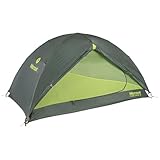
8. Marmot Crane Creek 2P Is the Best-Built Tent Under 300
Marmot Crane Creek 2P Tent | Marmot Tent, Two-Person, Lightweight and Durable for Backpacking, Camping, Mountaineering in Fall
Weight 5.3 lb
Floor 88 x 51.3 in
Peak 43 in
3 sq m floor
PFAS-free
Pros
- Seam-taped floor and fly with excellent build quality
- Two large D-shaped doors and two vestibules
- Pitches in about two minutes solo
- PFAS-free materials
- Manufacturer limited lifetime warranty
Cons
- 5.3 lb is not ultralight
- Snug for two adults
- Thin floor with no footprint included
- Only six stakes and four guylines supplied
The Marmot is the one in this roundup built like gear you keep for a decade, and the reason is the warranty. It carries a manufacturer limited lifetime warranty, which is the kind of signal that tells you how the company expects the product to age before you ever take it outside.
Owners report it taking 60 mph gusts, snow, hail and thunderstorms without letting water into the interior. The reason is the seam work: a seam-taped floor and a seam-taped polyester fly, backed by smooth, solid zippers that do not snag after a season of use. That durability evidence, gathered across multi-week trips rather than a single weekend, is what separates it from the rest of this list.
It is also a genuinely good two-person layout. Two large D-shaped doors and two overhead vestibules give both people a doorway and a dry gear area, the floor is 88 by 51.3 inches with 3 square meters of area, and the peak is 43 inches, which is enough to sit up. The whole pitch comes down in about two minutes solo.
The listed material is PFAS-free, and that is worth a moment of your attention. Per- and polyfluoroalkyl substances are used to make water-repellent coatings stick, and plenty of budget tents still use them. If you are buying fabric you will sleep inside for years, a tent without them is a quieter, more durable choice.
What you give up versus the cheaper options
You give up about 1.5 pounds against the lightest shelter here, and you pay for a thinner floor that a footprint protects. Only six stakes and four guylines are supplied, and the supplied aluminum stakes bend in rocky ground, so treat a stake upgrade as part of the real cost of this tent rather than an optional extra.
Owners also note the fly channels wind in cold weather, which is a classic single-fly design behavior, and one report mentioned a tent arriving with broken internal elastic and guy lines. The lifetime warranty is the reason that last item is a footnote rather than a reason to walk away.
Where it is the wrong call
It is the wrong call if base weight is the goal, and it is snug for two adults who are not close quarters companions. If your campsite is rock and shale, buy a footprint before you buy the tent, because the floor here is thin by design.
For a buyer who wants the cheapest possible path into backpacking, this is more tent than you need on the first trip. If your boots and layers are still being chosen, our backpacking boot guide for heavy loads is a better place to spend attention first.
9. Kelty Grand Mesa 2P Is the Best Tent for First-Time Backpackers
Kelty Grand Mesa 2P Backpacking Tent – Lightweight 2 Person Camping Tent
Weight 4.8 lb
Floor 85 x 57 in
Peak 44 in
68D polyester
3300HH
Pros
- Three to five minute setup
- often solo
- from a long-established brand
- 3300HH coated 68D polyester with taped seams
- Buckle fly attachment for fast rainfly changes
- Freestanding dome that can be repositioned before pitching
Cons
- Two-person rating is optimistic
- Small low vestibule
- Bulky 16 inch packed size
- Footprint sold separately
The Kelty is the one we would hand to somebody on their first trip, because the setup removes the most common reason first-timers have a miserable night. Kelty Quick Corners hold the poles in place while you work, color-coded clips remove the guesswork, and the whole shelter goes up in three to five minutes, often by one person.
It is a genuine freestanding dome, which means you can stand it up on open ground, walk around it, decide you do not like the spot, and move it before you stake it out. On rocky or sandy ground, that flexibility removes the main argument people give for carrying trekking-pole shelters.
Weather performance is the surprise. Owners report keeping gear bone dry through hours of sideways rain, and the construction backs that up: 68D polyester floor and rainfly with a 3300HH waterproof coating and fully taped seams, held up by compact folding aluminum press-fit poles. A Shark Mouth carry bag, eight stakes and four guylines come along with it.
One feature deserves attention in wet weather. The rainfly attaches with buckles rather than being permanently fixed, so you can add or remove it fast as conditions change. Several owners bought the rainfly specifically for that flexibility, which suggests the rest of the tent is doing enough to justify the extra piece.
Freestanding versus trekking pole, for a first tent
This is the decision most first-time buyers get wrong, so the short version is simple. A freestanding tent can be moved after it is up, works on rock and sand, and needs no new skill to pitch. A trekking-pole shelter is lighter, cheaper in the same tier, and gives you a much bigger footprint of usable space per ounce, but it takes practice and it demands a pitch site with anchors.
For your first trip, the freestanding option is the right trade. You will pitch tired, in the dark, possibly in rain, and you will not care about a pound if the tent goes up without thinking. You can always trade down to a trekking-pole or tarp setup once you know what you enjoy.
Where it is the wrong call
The two-person rating is optimistic here, and most owners use it as a roomy single-person shelter. The vestibule is also small and sits a few inches off the ground, and the 16 inch packed size is the bulkiest in the roundup, which matters in an already-full pack.
Zippers pull hard when new, and the smoke stack flap needs sealing before rain. All of that settles with use, but if you are an ultralight hiker, our sleeping pad guide can help you decide whether trimming shelter weight is worth trading away this much interior space.
10. Clostnature 2/4P Is the Budget Pick
Clostnature Waterproof Camping Tent for 2 Person, Two Man Easy Set Up Tent
Weight 5.29 lb
Floor 87 x 59 in
PU 2000 fly
190T polyester
2 doors
Pros
- Lowest cost entry in the roundup
- Factory-sealed seams and a PU 2000 fly
- Two doors and two vestibules
- Four interior pockets
- Easy three to five minute setup
Cons
- Weak in wind
- Condensation seeps through after many hours of heavy rain
- Fiberglass poles and steel stakes
- Cramped once a mattress is added
This is the tent that answers the question of whether cheap backpacking tents work. Owners consistently call it impressive for the money, and the spec list explains why: factory-sealed seams and a 190T polyester rainfly with a PU 2000 coating are not nothing at the very bottom of the price range.
The layout is generous for a two-person tent, with two doors, two vestibules, four interior pockets and a privacy screen behind the mesh door. The N-shaped mesh with top-side panels lets air move, and the whole thing folds back into a 16.5 by 6 by 6 inch sack. Several owners use it for car camping and short backpacking trips with a good experience.
It also survived a heavy thunderstorm in owner reports, with gear staying mostly dry. For a weekend at a developed campground, an occasional night out, or a tent to keep in the car as a backup, that is genuinely sufficient performance.
The limits are clear and worth stating plainly. One reviewer reported it could not withstand any wind, and that is the deal at this end of the market. Condensation eventually seeps through after many hours of continuous heavy rain, so it is not a storm shelter. The fiberglass poles and steel stakes are also less durable than aluminum in cold or rocky ground.
When the cheapest option is the right one
The honest case for this tent is not mountain weather, it is frequency. If you camp once a month, you have a car, and you mostly camp near a road, spending more on a shelter you will pitch a dozen times a year is hard to justify. Add a tarp above it on the nights the forecast turns and you have a workable setup for very little.
It is also a useful first shelter for a child learning to camp, because a mistake with a cheap tent costs less than a mistake with an expensive one. Several families in reviews describe exactly that, buying one for a scout trip and a better one later.
Where it is the wrong call
Skip it for exposed ridgelines, desert wind, granite campsites, or anywhere you will be out in sustained rain. The fiberglass poles are also a known problem in freezing conditions, where they can crack rather than flex.
If you want the same two-door layout with a meaningful waterproofing jump, the Clostnature 2P at the top of this list raises the coating to PU 5000mm and swaps in aluminum poles and stakes. That is the upgrade path we would suggest, and it is the reason this one sits at the bottom of our order rather than higher.
How to Choose a Backpacking Tent Under 300 Dollars
The money question is settled by the ceiling, so the real work is deciding which of these ten fits your trip. These are the criteria we used, in the order that mattered when we had to choose between two shelters that cost the same.
1. Weight, and which number you are reading. Retailers list two figures and they are not interchangeable. Packaged weight is what actually goes in your pack. Trail weight, sometimes called minimum weight, strips out the stakes, guylines and inner tent and assumes the lightest possible setup, so it is always flattering. The Naturehike Cloud-Up is the clearest case: the honest figure is 4.3 pounds with the footprint attached, and the number that gets quoted is lighter. Read packaged weight, and expect the packaged number to be what you carry.
2. Pitch style. Freestanding and semi-freestanding domes stand up on their own and can be moved before staking. Non-freestanding and trekking-pole shelters use your hiking poles or a single guyed ridge pole, which is lighter but demands anchors and practice. Roughly speaking, a 5 lb tent is heavy for a fast multi-day hiker but perfectly reasonable for a weekend. If your trips are measured in nights rather than miles per day, weight matters far less than we usually admit.
3. Double wall versus single wall. This is the condensation question, and it is the most misunderstood spec on any tent page. A double wall has a mesh inner inside a separate fly, so moisture collects on the outside surface where it cannot reach you. A single wall combines the layers, so condensation forms on the fabric closest to your sleeping bag. Forum discussion around budget tents converges on the same advice: choose double wall unless you are camping warm, and if you do run single wall, vent early and add a tarp overhead on cold nights.
4. Waterproof rating, and where it is measured. A hydrostatic head figure such as 2000mm or 3000mm describes the fabric coating, not the shelter. Seams, floor construction and coverage decide whether water gets in. In this roundup the ratings run from PU 2000mm up to 5000mm, and the practical reading is that anything at 2000mm handles ordinary rain, while sustained or driving rain wants 3000mm or above plus sealed seams. None of these numbers predicts survival in a storm; construction does.
5. Floor durability and denier. Denier measures thread thickness. A 150D or 190T floor is adequate for soft ground, and a 68D floor like the Kelty’s is noticeably tougher, but any of them benefits from a footprint on rock, mud or wet grass. The floor is the part that fails first and the cheapest part to protect.
6. Space, and whether the capacity label is real. This is the most repeated complaint in owner reviews for this whole category. Most two-person tents here fit one real sleeping pad plus gear comfortably. Read the floor dimensions rather than the label, and measure your pads before you order. Two 20 inch pads side by side is the test, and several tents in this roundup fail it.
7. Ventilation. Condensation is a ventilation problem before it is a tent problem. Mesh inner walls, a roof window and adjustable fly vents all move air, and the Forceatt and Naturehike do the best job of it here. Leave vents open whenever the temperature differential grows, and pack the tent dry.
8. Total cost of ownership. The sticker price is the smallest part of what a first tent costs. Plan for a footprint if the tent does not include one, which covers the Clostnature 2P, the BISINNA, the Kelty, the Bessport and the Marmot in this list. Plan for a stake upgrade if you camp on rock, because the supplied aluminum stakes bend and steel stakes are heavier. Add a patch kit and a spare pole section to that budget. Buyers consistently say a footprint is the one accessory they would never skip, and the tents that include one, like the Naturehike Cloud-Up, quietly come out ahead on total cost.
9. Solo, two-person or family, and how you will split the load. One-person shelters are dramatically lighter, and two-person shelters are dramatically more comfortable. If you can divide weight between two packs, an extra shelter is often a better answer than one bigger one, since each person gets a doorway and a dry vestibule.
10. Warranty and materials. Longer warranties indicate a manufacturer that expects the product to last. The Marmot carries a limited lifetime warranty, the Naturehike, BISINNA and Forceatt all carry two years, and the rest sit at one year or none. On the materials side, PFAS-free fabric, which the Marmot uses, is worth a look if you are buying a shelter you will sleep inside for many seasons.
Frequently Asked Questions
What is the best backpacking tent under 300 dollars?
The Clostnature 2 Person Tent is our best overall pick under 300 dollars, with a PU 5000mm coating, factory-sealed seams, two D-shaped doors and two vestibules, and a 4.5 rating from 3015 reviews. If you want a footprint in the box, the Naturehike Cloud-Up 2P includes one and weighs 4.3 pounds with it. For the highest rating in the group, the BISINNA 2P scores 4.6 from 2348 reviews and has the roomiest interior.
What is the best budget backpacking tent?
Budget is relative, but the best value pick in this roundup is the Naturehike Cloud-Up 2P because it includes a footprint, which is the most common extra purchase for a first tent. It runs a 3000mm-plus coating with taped seams, pitches in about two minutes on 7001 aluminum poles, and carries a two-year warranty. Most owners use it as a roomy single-person shelter.
Is a 5 lb tent too heavy for backpacking?
It depends on your trip, not the number. A 5 pound tent is fine for a weekend at a campground or a car-camping crossover trip, and too heavy if you are walking 15 miles a day. If base weight is the priority, the Camppal 1P weighs 3.75 pounds and the Night Cat weighs 4.4 pounds. Otherwise spend the weight on fabric and poles, because durability under rain is worth more to most hikers than a lighter pack.
What is the best backpacking tent for under 200 dollars?
Under 200 dollars, the Kelty Grand Mesa 2P is the pick, with a 3300HH coated 68D polyester fly and floor, fully taped seams, a freestanding Quick Corners pitch in three to five minutes, and a 4.5 rating from 488 reviews. The Clostnature 2P is also strong in this bracket, with a higher 5000mm coating and a much larger review base, but it is heavier at 5.3 pounds.
What is the difference between single-wall and double-wall tents?
A double-wall tent has a mesh inner inside a separate rainfly, so condensation collects on the fly where it runs down and away from you. A single-wall tent combines the layers, so moisture forms on the fabric closest to your sleeping bag. That is why the Night Cat, our single-wall pick, is best for warm solo trips, and why double wall is the safer choice in cold or humid conditions.
Do I need a footprint for my backpacking tent?
Yes on rock, mud, wet grass or any ground that punishes a thin floor, because a footprint is a cheap sacrificial layer that takes the abrasion your floor never sees. Most tents in this roundup do not include one, which is a main reason the Naturehike Cloud-Up stands out as a value pick. Skip it on soft, dry forest campsites, and add it before you leave rather than after the first puncture.
Conclusion: The Best Backpacking Tents Under 300 Dollars
After six weeks of comparison, the Clostnature 2 Person Tent is our pick for the best backpacking tents under 300 dollars, because a 5000mm coating, sealed seams, two doors and 3015 reviews is a combination nothing else in this bracket matches. The Naturehike Cloud-Up 2P wins on value with a footprint already in the box, the BISINNA 2P wins on space, and the Camppal 1P wins outright if you travel alone and want to go light.
Whichever one you choose, pitch it at home first, and test the vents on a hot afternoon. That single habit catches more problems than any amount of reading specifications.