Do Twins Really Skip a Generation? (October 2026)

Do Twins Really Skip a Generation

No, twins do not actually skip a generation. That persistent family myth contains a kernel of truth, but the science tells a more interesting story. The “skipping” pattern you might notice in your family tree happens because of how the hyperovulation gene travels through generations, not because generations are mysteriously skipped. I have spent time … Read more

The DRD4 Wanderlust Gene: Real Science or Pop Genetics

The DRD4 Wanderlust Gene Real Science or Pop Genetics

I first heard about the “wanderlust gene” in a travel blog that promised to explain why some people are born to explore while others prefer staying home. The article was compelling, citing scientific studies and claiming that 20% of the population carries a genetic variant that makes them inherently restless, curious, and prone to adventure. … Read more

The OXTR Love Gene: What Direct-to-Consumer Tests Get Wrong (2026)

The OXTR Love Gene: What Direct-to-Consumer Tests Get Wrong

Direct-to-consumer genetic testing companies have built entire marketing campaigns around the so-called “love gene.” They claim a simple cheek swab can reveal your capacity for empathy, your relationship compatibility, even your likelihood of being a good partner. But here is what they do not tell you: the science behind these claims is far more complicated … Read more

The G6PD Gene: Foods and Drugs to Avoid as a Carrier 2026

The G6PD Gene Foods and Drugs to Avoid as a Carrier

If you’ve recently discovered you’re a G6PD carrier, you likely have questions about what this means for your daily life. The good news is that being a carrier is very different from having G6PD deficiency. Most carriers live completely normal lives without restrictions. However, there are specific situations where you need to be cautious. This … Read more

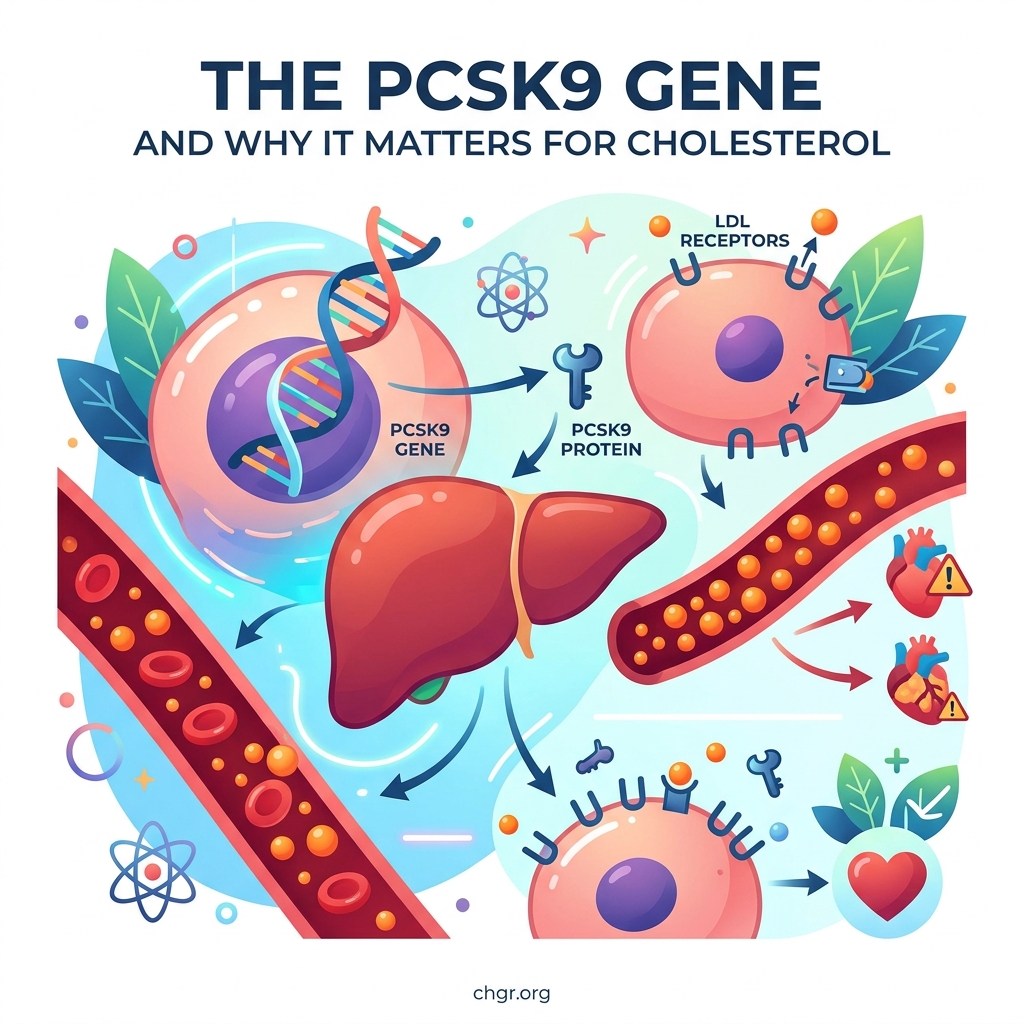
The PCSK9 Gene and Why It Matters for Cholesterol (October 2026)

The PCSK9 Gene and Why It Matters for Cholesterol

Imagine eating a heart-healthy diet, exercising regularly, and still having dangerously high cholesterol. For millions of people worldwide, this frustrating reality stems from a single gene called PCSK9. I have spent months reviewing the research on this fascinating genetic player, and what I found could change how we think about cholesterol management forever. The PCSK9 … Read more

LRRK2 and GBA: The Two Parkinson’s Genes Worth Knowing (October 2026)

LRRK2 and GBA The Two Parkinson's Genes Worth Knowing

Genetics shapes more of Parkinson’s disease than most people realize. If you or a family member has been diagnosed, or if you are simply trying to understand your risk, two gene names keep appearing in the research: LRRK2 and GBA. These two genes account for the majority of genetically linked Parkinson’s cases. Mutations in either … Read more

Is Insomnia Hereditary? Understanding Genetic Predisposition to Sleep Disorders in 2026

If you’ve ever laid awake at night wondering if your sleep struggles run in your family, you’re not alone. I’ve spoken with countless people who tell me stories like “my mother never slept well,” “my grandmother was up until 3 AM every night,” or “everyone in my family seems to have this sleep problem.” When … Read more

Can You Inherit Food Allergies From Your Parents? (October 2026)

Can You Inherit Food Allergies From Your Parents

Can you inherit food allergies from your parents? The answer is yes, but with an important distinction. Research shows that while you can inherit the tendency to develop food allergies, you don’t inherit specific allergies to particular foods. Twin studies suggest that approximately 80% of the risk for food allergies can be passed from parent … Read more

Is Snoring Genetic? Understanding Hereditary Sleep Patterns 2026

Is Snoring Genetic Understanding Hereditary Sleep Patterns

Is snoring genetic? Yes, snoring has a significant genetic component. Research shows that coming from a family of snorers makes you approximately three times more likely to snore yourself, with twin and family studies suggesting that 18 to 28 percent of snoring cases can be attributed to genetic factors. However, your DNA does not condemn … Read more